The Middle Eastern climate can be quite unforgiving with its intense heat, UV exposure, humidity, and frequent sandstorms. These harsh conditions have a significant impact on the electrical infrastructure in the region.
This challenging weather is especially harmful to unprotected electrical cables that suffer degradation, which results in severe hazards.
Reports show that approximately 37% of yearly fire incidents result from faults in electrical cables, and about 2,000 deaths and 7,000 injuries occur each year, mainly from electrical fires.
However, there are some effective tips that you can follow to prevent these hazards and to ensure complete protection of your electrical cables in the harsh climate of the Middle East. This is what this blog is all about, so without any further ado, let’s get right to it.
- Major Environmental Challenges in the Middle East
- Best Practices for Cable Protection in The Harsh Climate of the Middle East
Major Environmental Challenges in the Middle East
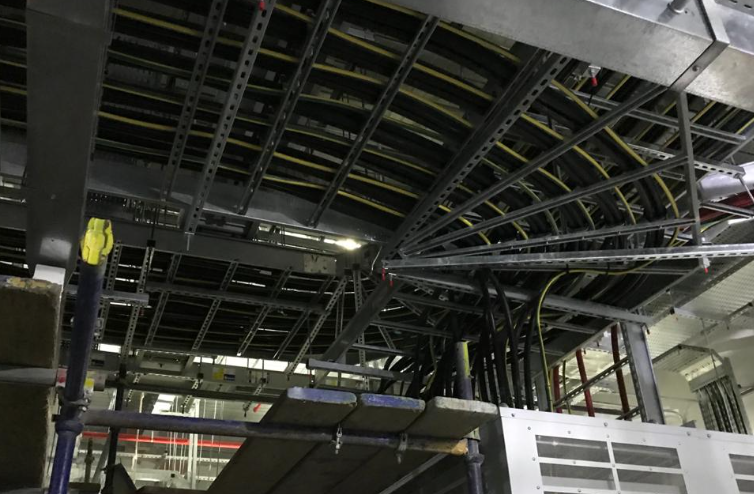
There are several environmental factors that make choosing the right cable management system or using effective cable protection approaches a necessity in the Middle East. Studies reveal that poor maintenance of electrical cables causes 28% of equipment failures in industrial settings, and that is why you need to address these major challenges as soon as possible.
The following are some major challenges that electrical cables have to overcome in this region.
- The temperature in these regions can exceed 50°C in the daytime. At night, this temperature drops quickly. These fluctuations cause the wires to expand or contract abruptly, which results in cable insulation damage.
- The wires in this region face intense UV exposure from the sun. This degrades cable jackets and that causes the wires to crack.
- Regions like the UAE, Saudi Arabia, and Qatar experience frequent sandstorms. This exposes cables to sand particles, which act like sandpaper. This sand wears down the protective layer of the cables.
- Coastal areas in the Middle East feature high humidity along with airborne salt particles that corrode metallic components or connectors of the cables. This results in short circuits.
Best Practices for Cable Protection in The Harsh Climate of the Middle East
The weather in the Middle East can deteriorate your cable systems quickly. To prevent this, you need to use a proactive approach when it comes to cable installation as well as maintenance.
This section lists some effective tips that you can follow to ensure the electrical safety of your cables in the Middle East.
- Invest in Top Quality Heat-Resistant Cable Insulation
The quality of the insulation material directly affects the performance and the longevity of electrical cables. Traditional cables can withstand a 60-70°C internal temperature range. This is not ideal in desert environments where external heat adds to the heat generated inside the cables.
You can invest in heat-resistant cable insulation such as XLPE (Cross-Linked Polyethylene) or EPR (Ethylene Propylene Rubber), which can safely operate at over 90°C of temperature. These insulations ensure there is minimal thermal degradation, which leads to longer cable lifespans.
- Pay Attention to Cable Derating
General cable ratings mostly suit ambient temperatures of about 30°C to 40°C. In the Middle East, the average temperatures can get much higher than that. To cope with this, you can apply derating factors. Cable derating refers to a decrease in the maximum safe current-carrying capacity of a cable to reduce heat dissipation.
This factor reduces the allowable current from the wire, which prevents the wires from overheating.
In the Middle East, where temperatures can exceed 50°C, engineers must apply derating factors to reduce the allowable current. Failure to apply a derating factor results in the wire operating beyond its safe thermal limits, which can lead to several safety hazards.
- Choose UV Appropriate Cable Jackets
UV damage is a major concern with cables in the Middle East. To prevent this, you can invest in UV-stabilized polymer jackets. You can also go with black polyethylene (PE) sheathing to further protect the wires from UV exposure.
Experts also suggest you pick insulation materials that come with UV-resistant additives. The main aim of these additives is to combat molecular breakdown caused by UV rays, which leads to longer service life of the cables.
- Use Protective Covers or Cable Management Systems
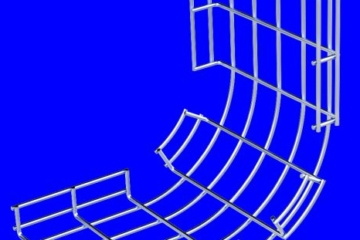
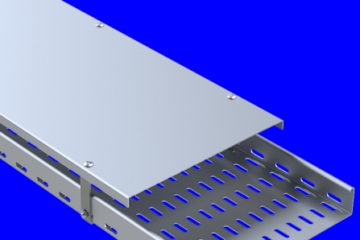
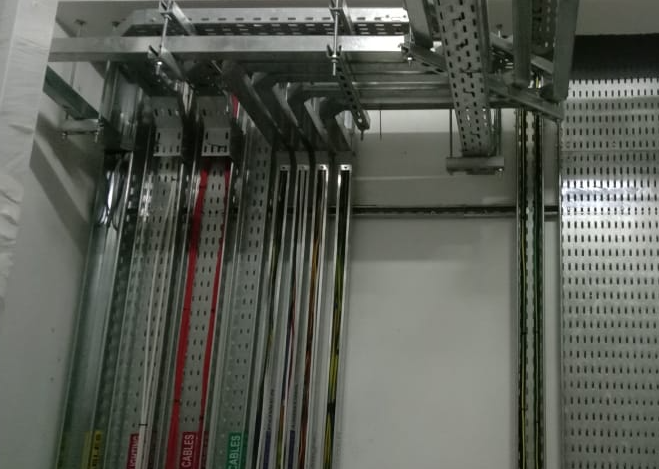
This is another effective approach that minimizes damage to the cables. Some common cable protection solutions include PVC conduits, HDPE ducts, Galvanized steel conduits, cable trays with protective covers, etc.
You can go with a covered cable tray system, cable trunking dubai, or cable conduit systems to ensure the cables are never exposed to the external environment.
The use of cable trunking dubai or similar protective solutions guarantees that there are minimal risks of physical damage to the cables. These systems protect cables from abrasion, mechanical impacts, UV radiation, and heat accumulation.
Many industries source these systems from experienced cable tray manufacturers UAE to ensure the cable infrastructure meets regional performance standards and durability requirements.
- Protect Against Corrosion in Coastal Areas
Corrosion is another major threat in areas like Dubai, Doha, or Abu Dhabi, which are closer to the sea. Corrosion damages wire insulation, cable glands, or junction boxes. This leads to cable failure, which can damage expensive equipment. This is why research shows more than 54% of industrial sites prioritize cable protection to prevent corrosion risks.
To prevent this, you can go with stainless steel cable glands or anti-corrosion coatings. Experts also suggest you invest in FRP (fiber reinforced plastic) enclosures or sealed junction boxes to further minimize the risks.
- Constantly Monitor the Performance of the Cables
Another useful cable protection approach is when you continuously monitor the performance or state of the cables with smart monitoring technologies. Technologies like Distributed Temperature Sensing (DTS) allow you to monitor the temperature of the cables in real time. This allows you to address overheating issues before they lead to major system failures.
- Follow Regional Standards and Compliance Requirements
And last but not least, you need to keep regional as well as international standards like IEC cable standards, SASO (Saudi Standards, Metrology and Quality Organization) regulations, or national building codes and utility guidelines in mind to ensure better cable protection.
These standards help you meet specific requirements when it comes to the heat resistance or testing procedures of the cables. These standards also highlight installation methods and safety certifications that you must keep in mind to ensure the safety of the cables.
Conclusion
The weather in the Middle East can be very tough on your electrical systems. Electrical cables that lack the necessary protection cannot withstand extreme temperatures or UV exposure in the region. Poor protection also leads to damage from sand abrasion or corrosion.
However, you can prevent the effects of the Middle Eastern climate on these cables if you follow the best practices, such as using heat-resistant insulation, cable derating, and protective cable housing solutions. This can enhance both the performance and the lifespan of the electrical infrastructure for years to come.
Visit us at Power Solution PSI to get high-quality electrical cable organization and protection solutions to make sure your electrical and communication systems get the maximum protection from hot weather, humidity, intense UV rays, and other elements of the harsh Middle Eastern climate.
FAQs
How can you protect your electrical cables in the Middle Eastern climate?
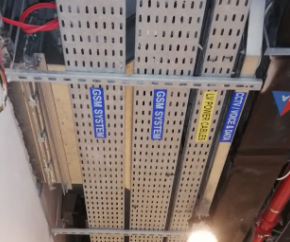
One effective way to do that is by using cable protectors or covers like cable trays, cable ladders, cable conduits, etc. These covers not only organize the cables but also prevent the risks of fire and tripping hazards. The use of cable trays or conduits guarantees there is proper ventilation, which prevents the wires from overheating.
How often do you need to inspect cables in harsh climates?
In harsh usage conditions of the Middle East, you need to inspect the electrical cables at least two times in a year. Routine monitoring or inspections help you detect major issues like insulation degradation or cable overheating early. This prevents the need for costly repairs.
What are some major electrical hazards that poor cable protection can cause?
Some major electrical hazards that arise from poor cable protection include electric shocks, burns from live wire contact, fires, and even explosions.
Why do electrical cables degrade faster in Middle Eastern climates?
This region features a harsh environment that exposes cables to very high heat, sand abrasion from sandstorms, humidity, and harmful UV rays. All these factors act together to shorten the life of cables that you use in this region.
Which materials offer the best corrosion resistance for cables?
These include stainless steel, marine-grade aluminum, galvanized steel, and plastic like polycarbonate.