The mounting system you pick for your solar panels influences their performance, durability, aesthetics, and overall efficiency. The right selection and placement of the mounting system ensures you are able to collect more solar energy to power up your entire house or commercial space.
It is fair to say that a mounting system is the backbone of your entire solar panel setup, which is exactly why you need to pick it with extreme care and due diligence.
When it comes to selecting the right mounting system, one can easily get confused, as there are many options to choose from. The choice of the mounting system also depends on factors like your site conditions, space, budget, and more.
This blog is going to help you maximize your solar panel efficiency by giving you all the necessary information regarding common solar mounting systems and their considerations, so keep on reading till the end.
- Types of Solar Panel Mounting Systems
- Ground-Mounted Systems
- Roof Mounted Systems
- Integrated Systems
- Portable Solar Mounting Systems
- Adjustable Mounting Systems
- Rigid Mounting Systems
- Tracking Mounting Systems
- Ballasted Mounting Systems
- Different Solar Panel Support Structures
- Tips for Choosing the Right Mounting System to Maximize Solar Panel Efficiency
Types of Solar Panel Mounting Systems
The following are some common solar panel mounting systems that you can consider for your residential or commercial space.
- Ground-Mounted Systems
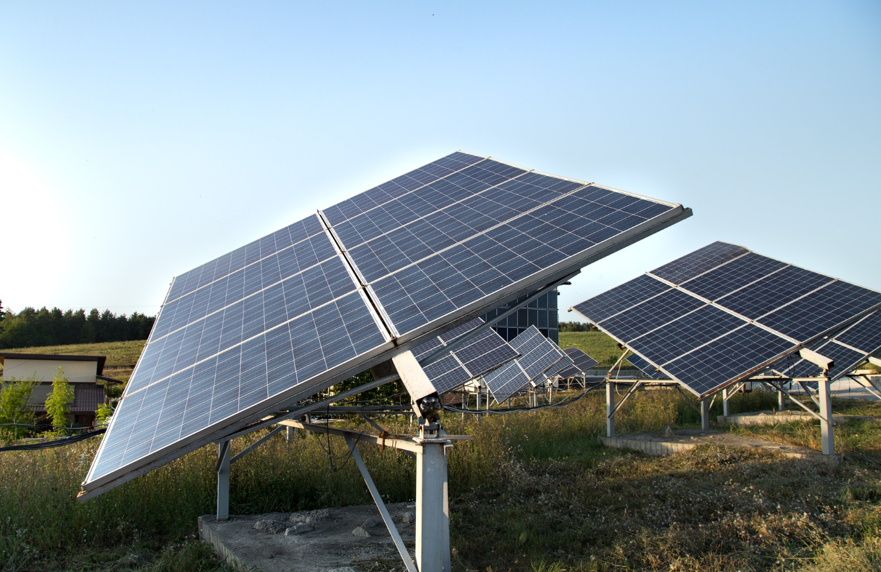
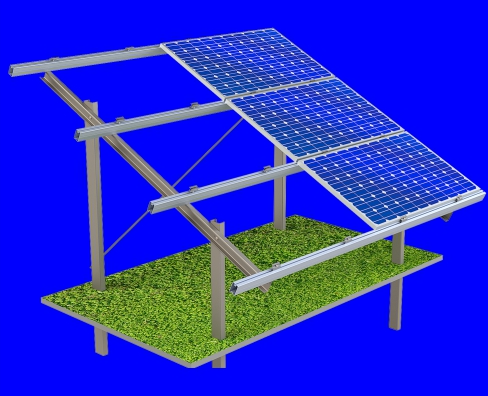
These mounting systems are perfect for large-scale installations such as solar farms due to their higher stability, ease of installation, and greater expansion flexibility. These mounting systems are placed on open land and are supported by steel or stainless-steel structures.
With these systems, you get maximum orientation and tilt, which allows you to capture more solar energy.
- Roof Mounted Systems
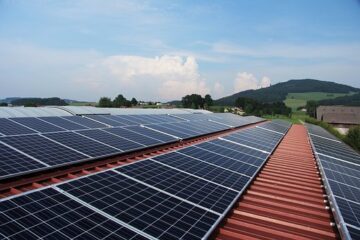
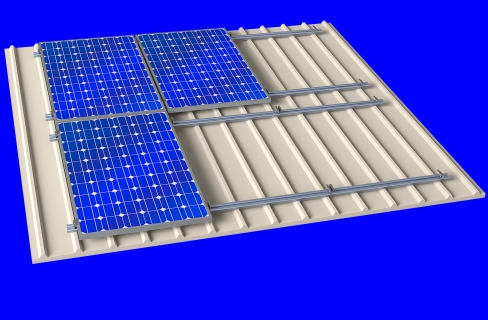
You can also mount your panels on both flat and pitched roofs. In case of pitched roofs, you can get mounting systems with hooks or rails that attach directly to the roof rafters. The angles of these roofs align with the angles required to collect maximum sunlight.
Roof-mounted systems give you greater ventilation, which prevents panel overheating, thus enhancing their performance and life.
In the case of flat roofs, there is no natural slope, which is essential for capturing sunlight. In this case, you can use fixed-mounted or tilt-mounted systems to get better efficiency.
- Integrated Systems
The integrated mounting systems are built into the roof, façade, or windows of the property, and you do not need extra structures to place the panels. This reduces installation costs, adds more functionality to your space, and eliminates the visual impact that results from installing a separate mounting system.
However, with these systems, there are some challenges, such as low efficiency, high maintenance, and stricter building codes for you to navigate.
- Portable Solar Mounting Systems
These are standalone mounting systems that you can use for temporary installation in remote locations where the output requirements are not that great.
You can place these mounts outside your RV, tents, or temporary living or remote working spaces to get an instant power supply. These solar panel mounts are not a perfect fit for large-scale residential or commercial use.
- Adjustable Mounting Systems
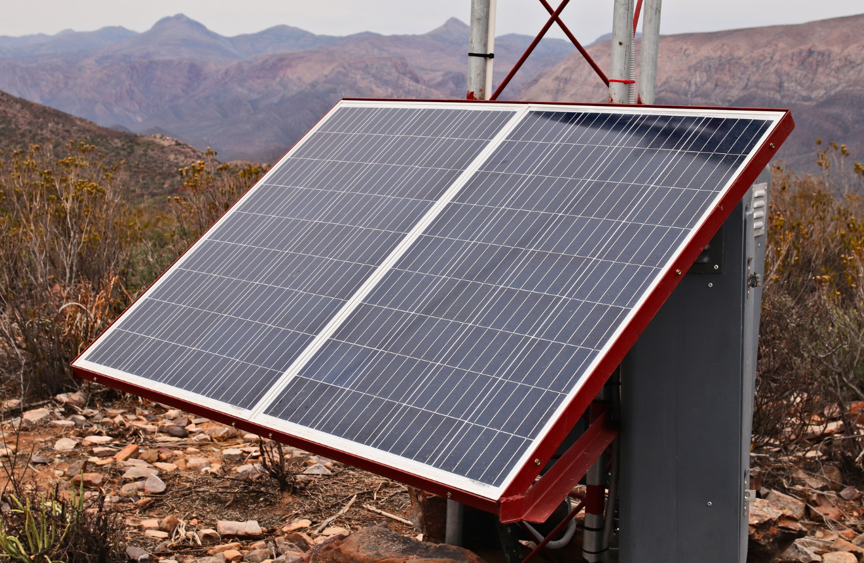
If you live in a place where the sun’s orientation doesn’t stay the same throughout the year, you can choose adjustable mounting systems. These solar mounting structures allow you to adjust the tilt of the panels based on the current position of the sun.
These are mostly used in locations far from the equator, where the sun’s angles keep shifting throughout the year. This system ensures you get the highest efficiency by aligning the panels to the sun’s path throughout the year.
- Rigid Mounting Systems
In these mounting systems, the panels are fixed to the support system at a fixed angle. Areas where there is consistent sun exposure all year round can benefit from these simple, low-maintenance, and cost-effective mounting systems.
These mounting systems face south in the northern hemisphere and north in the southern hemisphere to capture the maximum energy from the sun. These mounting systems, however, give you low energy output in colder seasons, and they are not effective in areas where there is less direct sunlight.
- Tracking Mounting Systems
As the name suggests, these mounting systems track the position of the sun and change the orientation of the panels accordingly. These are equipped with controllers, sensors, and motors that can adjust the angle or orientation of the solar panels to give you maximum efficiency (about40% more than other systems) throughout the day.
These systems can come with both single-axis and dual-axis trackers. Single-axis trackers follow the sun’s path from east to west, while the double ones adjust for azimuth and elevation angles as well.
- Ballasted Mounting Systems
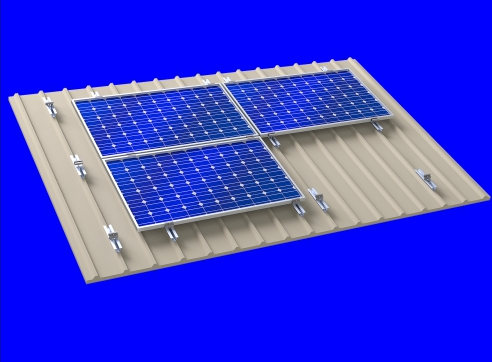
These mounting systems are installed on flat surfaces or low-slope roofs (up to 7 degrees). The best part is that the support systems of these mounting structures do not penetrate the roof.
Instead, sandbags or concrete blocks are used to secure the panels to the roof. These are perfect for roofs where waterproofing requirements are strict. There are no drilling or welding requirements for installing ballasted mounting systems, which reduces labor costs.
Different Solar Panel Support Structures
Apart from choosing the right type of mounting system, you also need an understanding of some common support structures that can provide your system with much-needed stability and durability.
Here are some common support structures you can consider for your mounting system.
- Triangular and Modified Triangular Support Structure
This support structure comprises three steel sections or bars in the shape of a triangle. These structures are easy to install and they offer sufficient stability. However, due to a lack of aerodynamic features, these structures are not suitable in windy areas.
Modified steel structures contain extra steel supports apart from the triangular base, which makes them more stable. These systems can even work well in windy or harsh weather areas.
- H-Shaped Support Structure
This is another popular support structure that is mainly made from steel sections arranged in an H shape. The structure of these supports is more aerodynamic, which makes them perfect for both roof and ground-mounted installations.
- Modified H-Shaped Support Structure
The modified H-shaped support structure has additional straight steel pieces that connect the upper tilted part of the panel to the base of the ground or roof to give you extra stability.
- Single Column Support
This system consists of a single sturdy column that supports many solar panels. This system works well in sloping grounds. Single column support structure is cost-effective and easy to install and maintain.
Tips for Choosing the Right Mounting System to Maximize Solar Panel Efficiency
Now that you know about some widely used solar mounting systems and their support structures, let’s go one step further and look at some things that you can consider before making your decision.
This information will help you choose a perfect mounting system that gives you maximum efficiency, so keep on reading till the end.
- Consider how different solar mounting systems look in terms of their aesthetics. You can ask the installers to show you images of their previous work to judge whether a certain mounting system will suit your space or not.
- Make sure to pick a mounting system that is compatible with both your panel and roof type.
- If you live in urban residential settings and you have a structurally sound roof, you can pick rooftop mounting systems to get maximum efficiency.
- If you live in a house with plenty of open land, you can invest in ground-mounted systems, as they give you more maintenance and expansion ease.
- For flat roofs, ballasted or tilt frame mounting systems are perfect.
- If your house has a pitched roof, you need to go with flush mounts or rail-based systems.
- If your site gets good sun exposure all year round, you can go with fixed-title mounts.
- You need to pick adjustable or tracking mounts if you need to make seasonal tilt adjustments to get more efficiency.
- Make sure your mounting system is rated for wind, snow, earthquakes, hurricanes, or other prevalent weather conditions in your area.
- Make sure to pick mounting systems made from aluminum, galvanized steel, or stainless steel to get maximum durability and corrosion-resistance.
- You can also pick materials with anodized coating for your mounting systems to get a longer life.
Conclusion
To get the maximum efficiency from your solar panels, you need to pay special attention to their positioning and support. Panels that are mounted using inappropriate or weak systems are prone to damage, which leads to a lot of money spent on repairs or replacements.
If you choose a mounting system that is perfectly compatible with your mounting site, panel types, and the weather conditions, it will give you much greater performance efficiency and long-term cost savings.
You can visit us at PSI Power Solutions to order our premium-quality Carbon Steel and hot-dip galvanized solar mounting systems for all rooftop and ground-mounted applications.