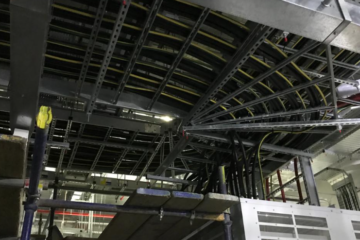
A reliable cable management system is the backbone of modern industrial projects. An efficient cable management system ensures both safety and operational efficiency in manufacturing plants, data centers, refineries, and countless other industrial settings.
The industrial sector makes up about 55% of total cable management system revenue globally, which makes it the largest application segment.
However, choosing proper cable management systems for industrial settings is not as easy as it may sound. Cable management systems come in different types. Moreover, there are several factors that you must take into account to make the right choice. Many industries today work with trusted cable tray manufacturers in the UAE to ensure they get durable and efficient cable management solutions that meet international safety standards.
This blog offers some useful insights into choosing a perfect cable management system for your industry. So, stick with us till the end to make the right choice.
- The Importance of Cable Management in Industrial Facilities
- Types of Industrial Cable Management Systems
- Things To Consider When Choosing a Cable Management System for Your Industry
The Importance of Cable Management in Industrial Facilities
Every large-scale industry uses an intricate and extensive network of cables to power its machinery or automation systems. These cables also serve to maintain the functionality of the communication infrastructure in industries, which directly affects operational efficiency.
Industrial automation has increased cable density in factories by roughly 35%, which results in an increased demand for advanced cable management solutions supplied by leading cable tray manufacturers in uae and other specialized system providers.
The following are a few points that show why every industry must invest in reliable cable management systems.
- Poor cable management leads to cable overheating and power loss.
- Cable maintenance or troubleshooting becomes very complex if you don’t have a proper cable management system in your industry.
- Proper cable management eliminates safety hazards such as short circuits or fire risks.
- Without a reliable cable management system, there is an increased downtime when you have to make repairs or upgrades.
- An efficient system guarantees proper cable routing, ventilation, mechanical protection, and easy accessibility.
- The risks of physical damage to cables from dust, moisture, chemicals, or impacts get significantly lower with a proper cable management system.
- Cable management systems allow you to organize complex wire networks without any damage to the aesthetics of the workspace.
Types of Industrial Cable Management Systems
Before you can make any decision about the cable management system for your industry, you need to know about its different types. The following are some common cable management systems that different industries use.

- Cable Tray Systems
Cable trays are probably the most commonly implemented industrial cable management system. Research shows cable tray systems hold about 35-40% of the market share, which is greater than other cable management solutions. Many industries source these systems from trusted cable tray manufacturers in the UAE to ensure durability and compliance with industrial standards.
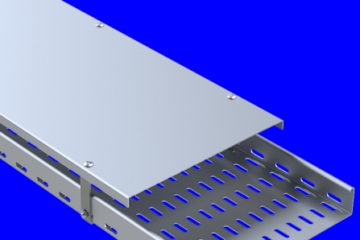
These are an open structural system that consists of flat platforms that host cables along walls, ceilings, or industrial floors. Unlike closed conduit systems, a cable tray system allows you to lay wires directly on the tray, which makes installation or maintenance much faster. This cable management system allows for better airflow between the cables, which facilitates heat dissipation.
Industries That Use These Systems
The following industries use cable tray systems.
- Manufacturing plants
- Commercial buildings
- IT infrastructure
- Industrial automation facilities
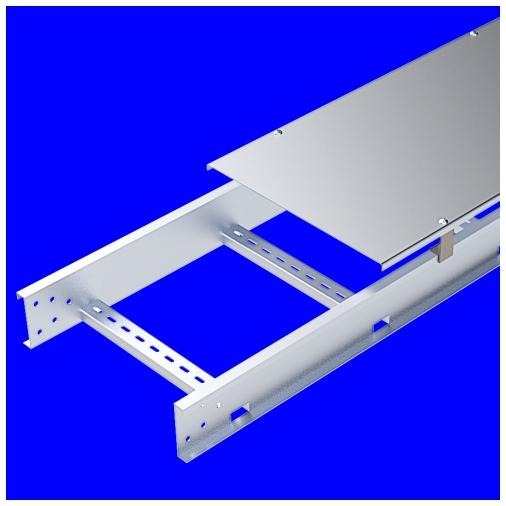
- Cable Ladder Systems
These cable management systems find uses in heavy-duty industrial settings. Cable ladder systems comprise two parallel side rails with connected rungs that look just like a ladder. Research shows cable ladder systems alone represent around 70% of large-scale industrial installations.
Just like cable trays, these also have an open design, which leads to better ventilation along with ease of inspection. The heat dissipation features, along with the high load-bearing capacity of cable ladder systems, make them ideal for high-power electrical cables. These cable management systems also give a long support span of up to 6 meters in most applications.
Industries That Use These Systems
The following sectors use cable ladder systems for enhancing cable organization.
- Power plants
- Oil and gas facilities
- Heavy manufacturing plants
- Large industrial complexes
- Conduit Systems
These cable management systems have a closed structure. A conduit is basically an enclosed pipe that can host electrical wires or cables. Unlike tray or ladder systems, these offer maximum protection to the cables from environmental hazards. These also protect cables against physical damage from dust, moisture, or impacts.
With conduit systems, cable installation or repair can be somewhat labor-intensive.
Industries That Use These Systems
These cable management systems find uses in the following industrial settings.
- Hazardous industrial zones
- Outdoor installations
- Areas requiring strict environmental protection

- Trunking Systems
These are enclosed rectangular cable management systems that mostly find uses in indoor industrial settings. A cable trunking system is different from a conduit in the way that its upper part can be removed when you need to make repairs or upgrades.
This cable management system allows you to segregate cables while also offering an aesthetic edge.
Industries That Use These Systems
The following are some common uses of these cable management systems.
- Control rooms
- Offices
- Indoor industrial areas
- Data centers
- Telecommunication sectors
Things To Consider When Choosing a Cable Management System for Your Industry
Now that you know about some common cable management systems, let’s go one step ahead and look at some key considerations for choosing the right system for your industry.
- Load Capacity
One key thing to consider is how much weight the system needs to handle. If you need to manage heavy power cables over long spans, you need to go with a cable ladder system. For medium loads, cable trays work perfectly well. In case you also need to protect the cable from environmental or physical impacts, you can pick between conduits or trunking solutions.
- Ease of Installation
If saving time is your biggest concern, then cable trays or cable ladders are a better option. These systems reduce cable installation labor by up to 40% due to their open structure. You can simply lay the cables over the trays, and you are good to go.
- Future Expansion and Flexibility
This is another important thing to factor in when you need to pick a cable management system. If you often need to expand or upgrade the equipment or wiring, you need to go with a cable tray system that allows for easy modifications. With these, you do not need to spend resources on reinstallation or additional cable management system installation when you need to scale up.
- Environmental Conditions
This is also an important consideration as it directly affects the lifespan as well as the performance of cable management systems. If the weather surrounding the wire is heated, moist, corrosive, or chemically hazardous, then you need to go with a closed cable management system like a conduit or trunking system. These systems also work best when you need to install the wiring in outdoor industrial settings.
- Maintenance and Accessibility
The ease of accessibility or maintenance also plays a key role in this decision. Periodic inspections or maintenance are a major concern in industrial applications. With closed systems like conduits, the accessibility reduces significantly.
This is why you need to pick cable ladders or trays in cases where you often have to inspect the cables for troubleshooting or upgrades.
Conclusion
The quality of the cable management system directly affects the lifespan and the performance of key industrial machinery or communication systems. It also affects the frequency of cable damage or repairs.
An ideal cable management solution gives you greater accessibility, ease of installation, and protection from environmental factors. An understanding of different cable management systems can help you determine exactly what you need for your industry.
Just make sure to consider things like the load capacity that the system needs to handle, installation efficiency, and the flexibility for future expansion to make the right decision. This can ensure you find a perfect cable management system for your industry that promises safety and reliability for years to come.
Visit us at Power Solution PSI to get our top-quality cable management solutions for all industrial applications to increase both safety as well as the operational efficiency at the same time.
FAQs
How can you pick a suitable cable management system for your industrial project?
You need to consider several factors, including cable load, environmental conditions, installation times, cost, accessibility, and future expansion needs, to make the right decision.
How can you distinguish between cable trays and conduits?
Cable trays refer to open systems where you lay cables inside the tray. Conduits, on the other hand, are closed pipes where you insert the wires from one end and pull from the other. Cable trays find uses in industrial spaces, while conduits are the main choice in outdoor or hazardous settings.
Which cable management solution is ideal for heavy industrial environments?
Cable ladders that offer high-strength support and better heat dissipation over long wire spans are a perfect choice in heavy industrial settings. These find uses in power plants, oil and gas facilities, manufacturing plants, and infrastructure projects.
What is the purpose of an industrial cable management system?
The main purpose of a cable management system is to organize extensive cable networks to prevent entanglement and heat accumulation. These systems prevent cable damage even in rough industrial settings.